

Dry Food vs. Wet Food… Which One Should You Choose for Your Cat?
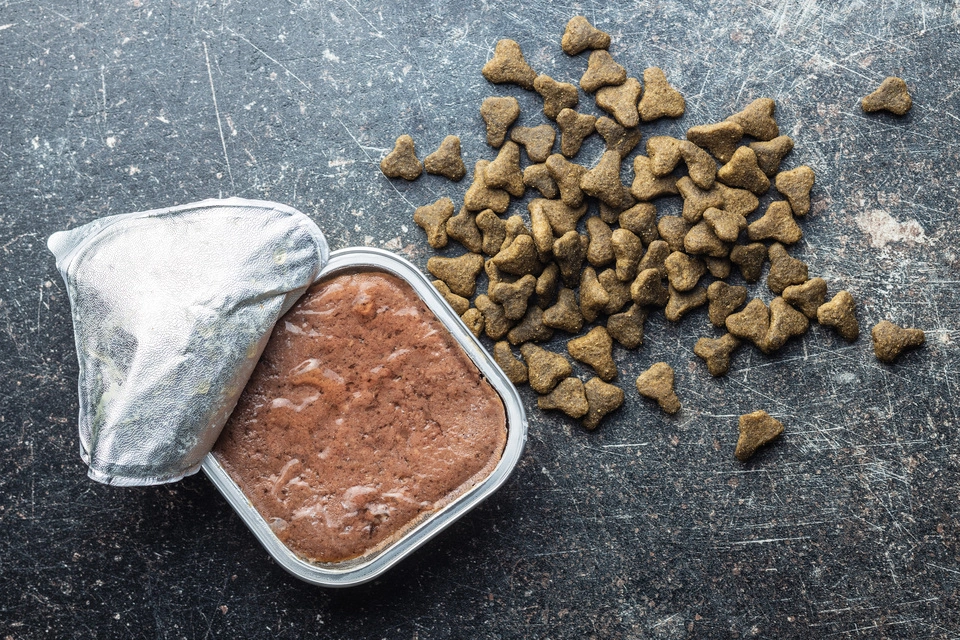
Dry Food vs. Wet Food… Which One Should You Choose for Your Cat?
Clear Answers to All Your Questions!
Dry Food vs. Wet Food… Which One Should You Choose for Your Cat?
Choosing the right food for your cat is an important responsibility for every pet owner, as diet has a direct impact on a cat’s health and overall quality of life. So which is better—dry food or wet food? This article answers the most frequently asked questions to help you make an informed and confident decision.
- Is dry food really better than wet food?
The answer is there is no single “perfect” option. Both dry food and wet food have their own advantages and disadvantages.
- Dry food:
Dry food is generally more affordable, easy to store, and beneficial for dental health, as chewing kibble helps reduce plaque and tartar buildup. However, it contains very little moisture, which may cause cats to consume insufficient water. This can potentially lead to kidney or urinary tract issues, especially in cats that do not drink enough water on their own. - Wet food:
Wet food contains a high moisture content—around 70–80%, helping cats stay well-hydrated and supporting kidney and urinary tract health. It also has a stronger aroma and flavor, making it more appealing to cats. On the downside, wet food is usually more expensive, has a shorter shelf life once opened, and does not contribute much to dental health.
- How much should I feed my cat?
The appropriate amount of food depends on your cat’s age, weight, and activity level. Pet owners should follow the feeding guidelines on the packaging and adjust portions based on veterinary advice.
- Dry food:
Dry food is more calorie-dense than wet food, so it should be carefully measured. Free-feeding or leaving food out all day may lead to weight gain. - Wet food:
Because wet food contains a high percentage of water, a larger portion may appear substantial but provides fewer calories than dry food. It is important to feed an appropriate amount to ensure your cat receives enough daily energy.
- Which option is better in terms of nutrition?
Today, both dry and wet cat foods are developed to be nutritionally complete and balanced, meeting established feline nutritional standards. The key is choosing a trusted brand and selecting formulas that are appropriate for your cat’s life stage (kitten, adult, or senior).
That said, veterinarians often recommend Combination Feeding, which involves feeding both dry and wet food. This approach combines the benefits of both types—for example, serving wet food for breakfast and dinner to increase moisture intake, while leaving dry food available during the day to support dental health and prevent hunger.
CIAO wet food products are an excellent option for adding variety and stimulating your cat’s appetite.
- How does food affect a cat’s eating behavior?
- Dry food:
Chewing kibble stimulates natural eating instincts and helps cats feel full for longer periods. CIAO dry food products, such as Sugoi Crunchy Prebiotics, are designed with a texture cats enjoy and include ingredients that support digestive health. - Wet food:
Wet food has an enticing aroma and taste, making it easier for cats to eat. It is especially suitable for picky eaters or senior cats with dental issues. CIAO wet food comes in a wide variety of flavors and formats—such as fish chunks, jelly-style, or creamy textures—helping prevent mealtime boredom.
Combination Feeding: The Best of Both Worlds
Combination feeding brings together the strengths of both dry and wet food. A commonly recommended approach includes:
- Wet food for breakfast and dinner: to ensure adequate hydration during main meals
- Dry food available throughout the day: to satisfy hunger between meals and support dental health
This method allows cats to enjoy optimal hydration from wet food, along with the convenience and dental benefits of dry food. As a result, cats receive well-rounded nutrition, maintain better overall health, and stay interested in their meals.
There is no one-size-fits-all formula when it comes to feeding your cat. Understanding your cat’s individual needs and consulting with a veterinarian will help you choose the best possible diet—ensuring your beloved feline receives the very best care.